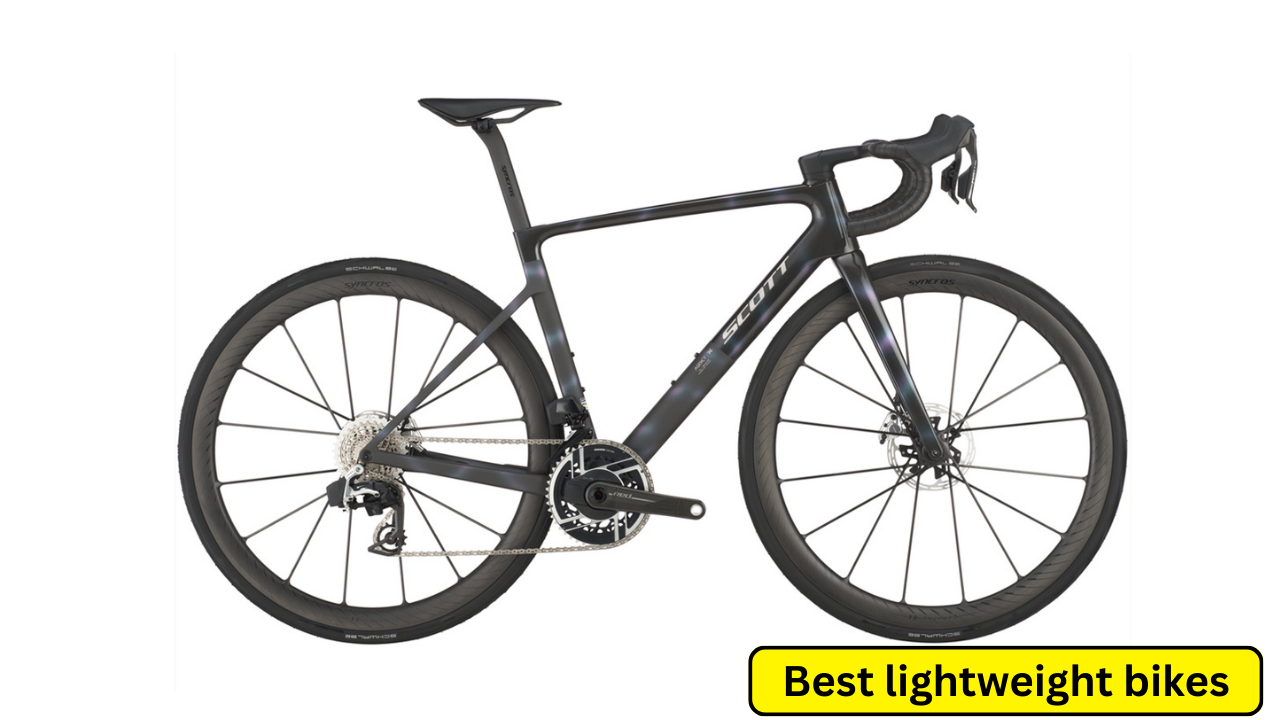
Choosing the right bicycle can be both exciting and overwhelming — especially with so many options available in the market today. Whether you’re buying your first bike or upgrading to a better model, understanding key aspects like frame size, gear systems, and budget range ensures you make the perfect choice for fitness, daily commuting, or adventure riding.
This complete guide breaks down everything you need to know before making a purchase so you can ride with confidence and comfort.
Why Choosing the Right Bicycle Matters
A poorly fitted bicycle can cause discomfort, increase the risk of injury, and make riding less enjoyable. On the other hand, the right bike enhances your riding experience, boosts performance, and helps you achieve your fitness or commuting goals faster. The three most important factors to consider are:
- Frame Size – Determines comfort and control
- Gears – Affects speed and effort efficiency
- Budget – Helps you find the best value for your money
Let’s explore these in detail.
Frame Size: Fit Matters More Than You Think
Frame size is the backbone of bicycle comfort. A bike that’s too large or too small can lead to poor posture, knee strain, back pain, and reduced control.
How to Find the Right Frame Size
The correct frame size depends on your height and leg inseam. Most brands provide sizing charts to help you choose, but here’s a general guideline:
- 150–160 cm: Small frame
- 160–170 cm: Medium frame
- 170–180 cm: Large frame
- 180 cm and above: Extra-large frame
These are approximate and vary by brand, so always check the manufacturer’s chart before buying.
Key Fit Tips
- Stand over the bike with both feet flat on the ground — there should be 1–2 inches of clearance between you and the top tube.
- When seated, your leg should have a slight bend at the bottom of the pedal stroke.
- Your hands should comfortably reach the handlebars without strain.
Proper frame size improves comfort, reduces fatigue, and enhances overall riding efficiency.
Understanding Gears: How They Impact Your Ride
Gears control how easy or hard you pedal. If you choose the wrong gear system, you might find uphill climbs exhausting or flat road pedaling inefficient.
What Do Gears Do?
Gears help you maintain a steady cadence (pedal speed) regardless of road conditions:
- Lower gears make pedaling easier — great for uphill rides
- Higher gears allow you to go faster on flat or downhill paths
How Many Gears Do You Need?
This depends on your riding style:
- Beginners & Daily Commuters: 7–18 speeds
- Fitness Riders: 18–21 speeds
- Adventure/Trail Riders: 21–27+ speeds
More gears offer flexibility in various terrains but may require slightly more maintenance.
Types of Gear Systems
- Derailleur Gears: Most common and affordable, ideal for road, hybrid, and mountain bikes.
- Internal Hub Gears: Low maintenance and great for city commuters, but slightly costlier.
Choosing the right gear system ensures a smoother ride, reduces leg strain, and helps you ride longer distances comfortably.
Budget: How Much Should You Spend?
Your budget influences the quality, features, and longevity of your bicycle. Here’s a breakdown of typical pricing tiers and what to expect in each:
1. Entry-Level Bicycles (₹8,000 – ₹18,000)
Ideal for beginners and casual riders. These bikes offer:
- Basic gear systems (7–18 speeds)
- Steel or entry-level alloy frames
- Simple braking systems
Perfect for short-distance commuting and light fitness rides.
2. Mid-Range Bicycles (₹18,000 – ₹35,000)
Best for regular riders and fitness enthusiasts. You’ll get:
- Smoother gear shifts
- Lightweight frames (aluminum)
- Disc brakes for better stopping power
- Comfortable ergonomics
Great for daily exercise, longer commutes, and occasional long rides.
3. Premium Bicycles (₹35,000+)
For serious riders and adventure enthusiasts. These bikes include:
- High-end Shimano/SRAM gear systems
- Ultra-lightweight frames
- Advanced suspension (for mountain bikes)
- Disc brakes and performance features
Ideal for long-distance cycling, weekend trail rides, and professional training.
Other Features to Consider
While frame size, gears, and budget are the biggest factors, a few additional details can significantly impact your riding experience:
Brakes
- Disc Brakes: Better stopping power in all conditions
- Rim Brakes: Cheaper and easier to maintain
If you ride in hilly areas or wet conditions, disc brakes are a safer choice.
Tires
- Wide Tires: Better grip and comfort — great for off-road or mixed terrain
- Slim Tires: Less rolling resistance — ideal for road fitness cycling
Suspension
Suspension forks absorb bumps and make rough rides smoother. Choose them if you plan to ride on trails or uneven surfaces.
Final Tips Before You Buy
- Always test-ride before purchasing
- Check company warranty and after-sales support
- Choose trusted brands with wide service networks
- Don’t compromise on comfort — it’s the key to consistency
Conclusion
Choosing the right bicycle doesn’t have to be confusing. By understanding frame size, gear systems, and how much you’re willing to spend, you can narrow down options quickly. Your goal — whether fitness, daily commute, or adventure — should guide every decision.
Invest in the right bike today, and enjoy a healthier, happier, and more active tomorrow!